Yeshivas Shaarei Binah
Known as Shaarei
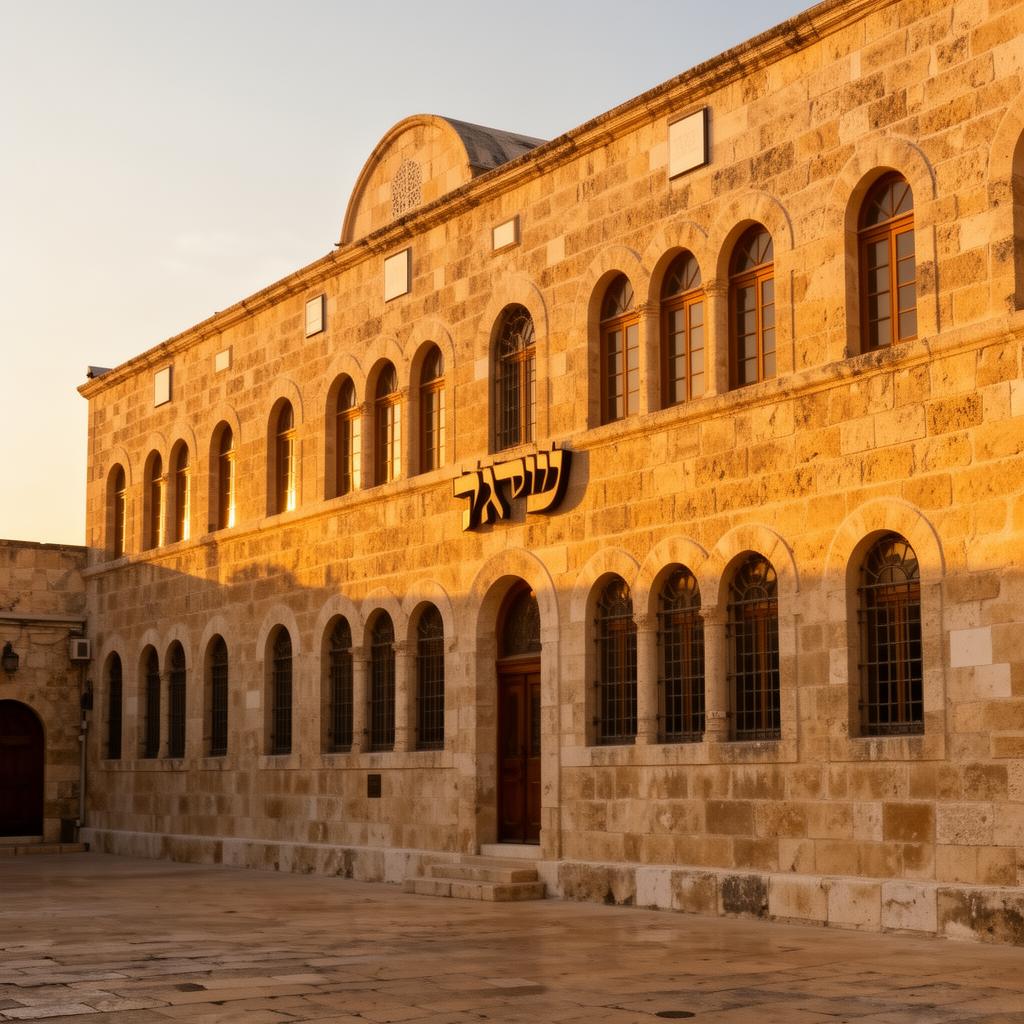
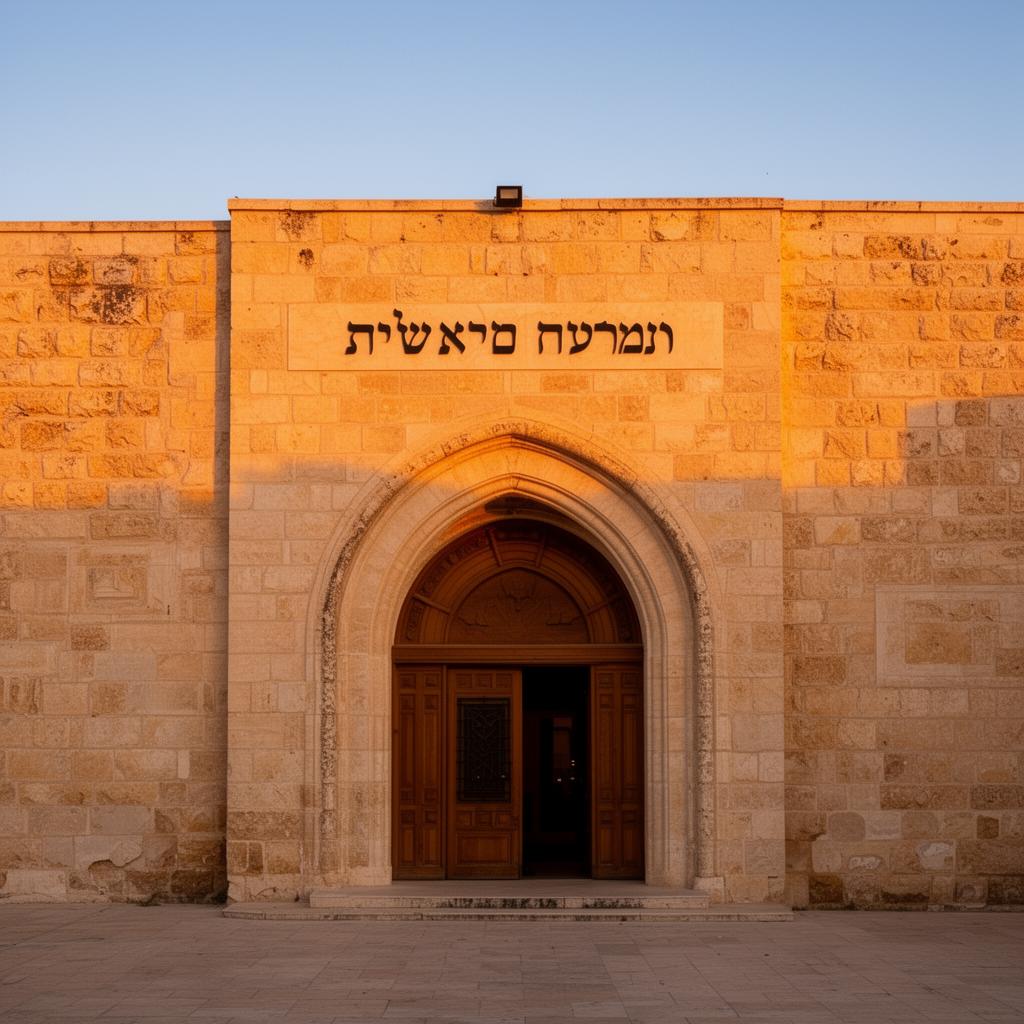
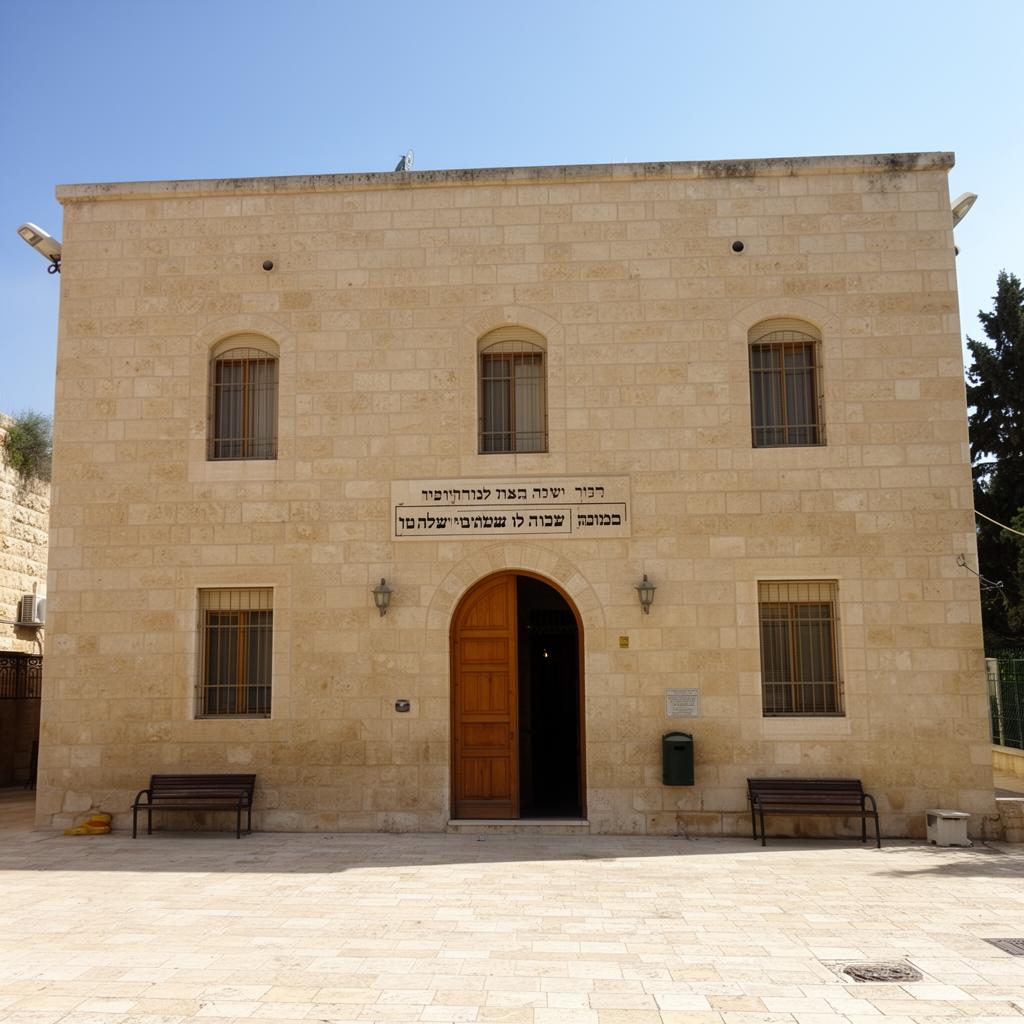
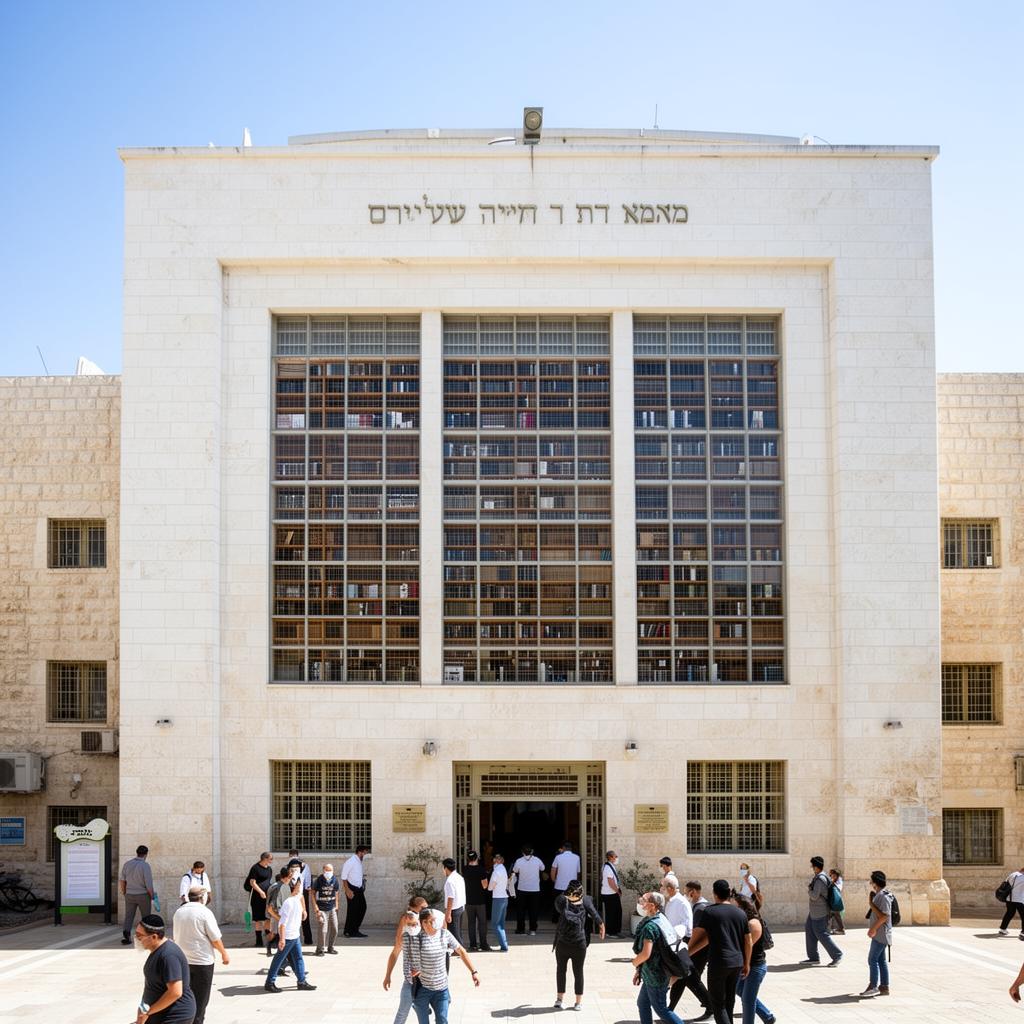
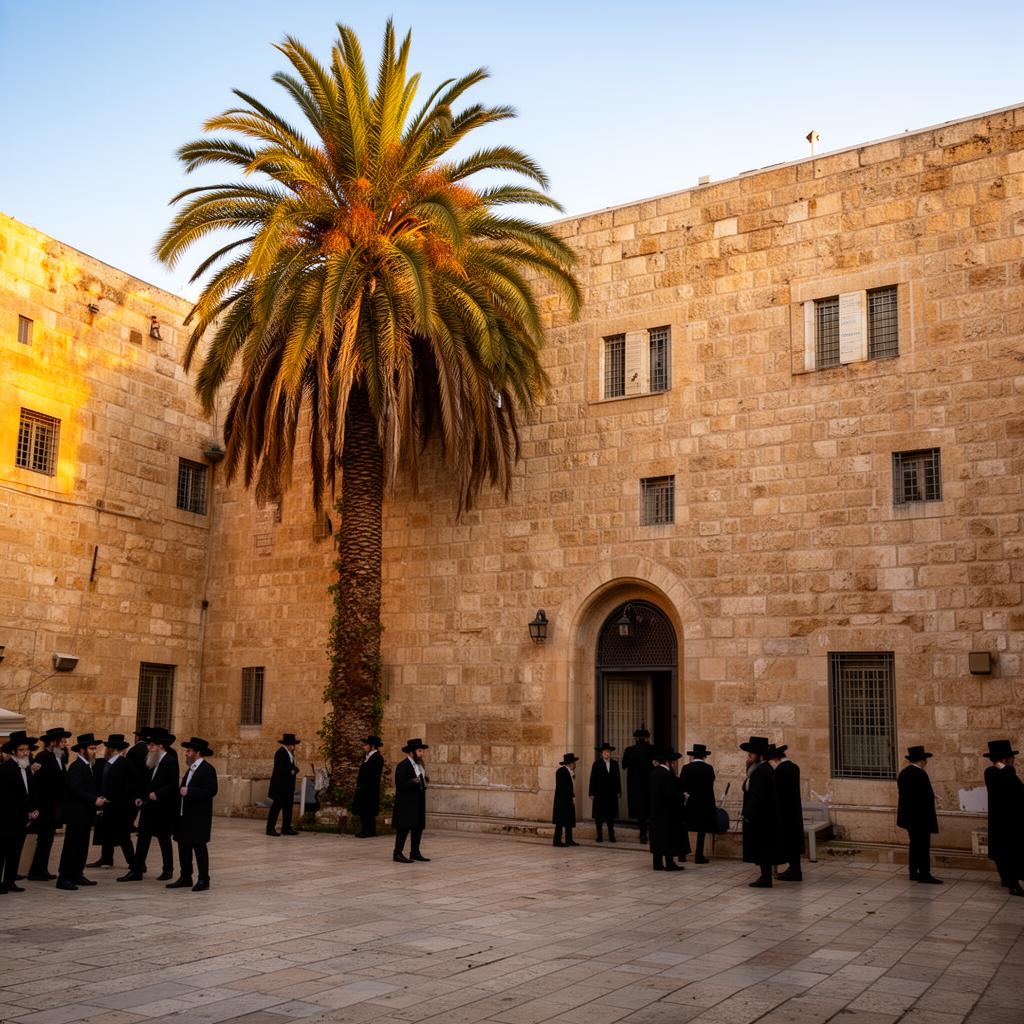
“A serious iyun yeshiva built for the bochur who wants to learn b'iyun without disappearing into a crowd — small enough that every bochur is genuinely known by his rebbe, structured enough to actually grow in lomdus, and warm enough that he wants to be here on Shabbos.”
Reach the yeshiva directly.
These channels go straight to admissions — Hadracha doesn’t sit in the middle.
Where to find Shaarei.
12 HaPisga Street, Bayit Vegan, Jerusalem, Israel
Program & work options
- Program type
- Multi-Year Yeshiva
- Duration
- Flexible
- Work allowed
- No
- Students working
- None
- Impact on learning
- Full learning schedule remains unchanged
About
Yeshivas Shaarei Binah is a structured program located in Bayit Vegan, Jerusalem. Founded in 1998 under the leadership of Rav Moshe Eisenberg, the yeshiva is known for deep iyun in a beis medrash where no bochur gets lost in the crowd.
Learning model
Beis Medrash-based · Iyun. Each bochur is placed in a track suited to his pace and background, with daily seder and ongoing chavrusa support.
Structure
The day at Yeshivas Shaarei Binah is best described as structured — with clear expectations around seder times, attendance, and accountability.
Student fit
Bochurim who thrive here tend to value the atmosphere described as serious without being heavy. the beis medrash hums from first seder through night seder, but rebbeim know each bochur's chavrusa, his mahalach, and what's actually going on in his life.. The 1:7 staff-to-student ratio allows individualized attention without losing chevra dynamics.
Atmosphere
Serious without being heavy. The Beis Medrash hums from first seder through night seder, but rebbeim know each bochur's chavrusa, his mahalach, and what's actually going on in his life..
Support systems
Mentorship is built into the daily rhythm. The mashgiach and senior rabbanim are accessible, and additional support is available for bochurim who need it.
Leadership & Staff
Led by Rav Moshe Eisenberg, the staff includes senior rabbanim, maggidei shiur, and a dedicated mashgiach.
Facilities & living
Two beis medrashim, a dining hall, a dormitory wing with 2-bochur rooms, an outdoor courtyard, and a small gym room with weights and a treadmill.
- Boarding
- Dormitory
- Curfew
- YesCurfew is 11:30 PM Sun–Thu, midnight Motzei Shabbos. Bochurim sign in with the dorm counselor; later arrivals require prior approval from the mashgiach.
- Laundry
- AvailableOn-site laundry room with washers and dryers, plus a weekly drop-off service included in dorm fees.
- Amenities
- SportsGames room
Daily life & schedule
Shabbos: Most Shabbosos in yeshiva with a Shabbaton once a zman. Bochurim are out roughly one Shabbos a month with family or hosts.
When a bochur struggles: Rebbe meets one-on-one within the week, mashgiach is looped in, and the chavrusa coordinator pairs the bochur with extra support.
Admissions process
Submit the application form, followed by a phone or in-person interview with the Rosh Yeshiva or Mashgiach. An in-person visit and trial seder are strongly encouraged before a final acceptance.
- Interview requiredYes
- Entrance test requiredNo
- In-person visitYes
- Application feeYes
Trips & experiences
- Frequency
- Monthly
- Focus
- Eretz Yisrael connection, Social bonding
- Tuition
- Mostly included in tuition — Tiyulim every few weeks plus a major Chol Hamoed trip; Shabbatonim included.
Insight from the yeshiva
- Speciality
- Genuine iyun b'gemara in a small-chevra setting where every bochur is seen.
- Often misunderstood
- People assume 'small yeshiva' means 'less serious' — the opposite is true here.
- Question parents should ask
- Ask what the rebbe-bochur ratio looks like in real practice, not just on paper.
- Before choosing
- Visit for at least a full day of seder, not just for an interview.
Where students go next
Understanding where bochurim typically continue after Yeshivas Shaarei Binah helps families see the longer-term pathway — not just what the yeshiva offers today.
- Kollel
- Yeshiva in America
- Workforce / Employment
Most bochurim continue to well-known kollelim in Yerushalayim after marriage, while others return to advanced yeshivos in America. A growing number transition into the workforce after several years of full-time learning, often through family businesses or professional training.
Academic calendar
This yeshiva runs on the traditional zmanim calendar.
- Elul Zman
- Beginning
- Rosh Chodesh Elul
- End
- Erev Yom Kippur
- Winter Zman
- Beginning
- Rosh Chodesh Cheshvan
- End
- Ta'anis Esther
- Summer Zman
- Beginning
- Rosh Chodesh Iyar
- End
- Tisha B'Av
Bein hazmanim follows the standard Yerushalayim yeshiva calendar.
What makes it different
- Strong Learning
- Iyun Focused
- Warm Environment
- Strong Mentorship
Alumni, parent & student voices
Personal feedback from alumni, current students and parents will appear here when shared.
Similar to this yeshiva
Each group below shows yeshivos that share a specific characteristic with Yeshivas Shaarei Binah — the heading tells you exactly what they share.